Nasal septal

Nasal septal reconstruction is a surgical procedure that straightens the wall (septum) between the two nostrils.
It is performed to improve breathing problems caused by a deviated septum.
The surgeon reshapes or repositions cartilage and bone to open the nasal airway.
Recovery usually takes 1–2 weeks, with better airflow and reduced nasal blockage afterward.

Balloon sinuplasty

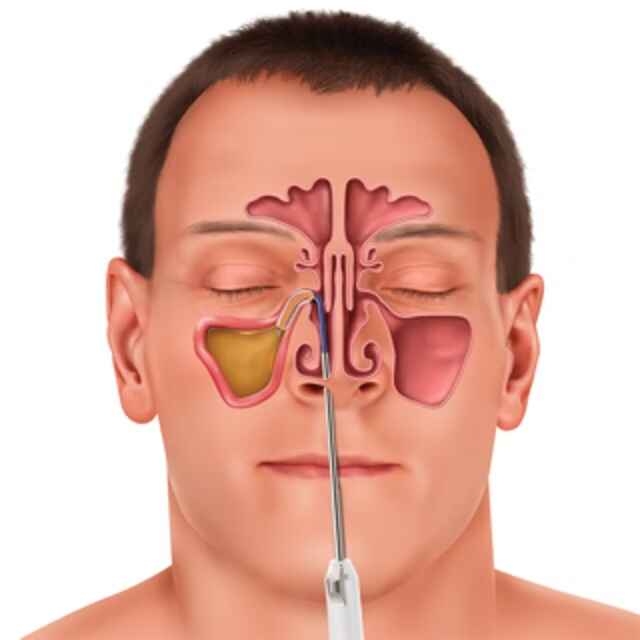
Balloon sinuplasty is a minimally invasive procedure used to treat chronic sinus blockage.
A small balloon catheter is inserted into the sinus passage and gently inflated to widen the opening.
It improves sinus drainage, reduces pressure, and helps relieve facial pain and congestion.
The procedure is quick, usually painless, and patients can return to normal activities within 24–48 hours.

Tonsillectomy

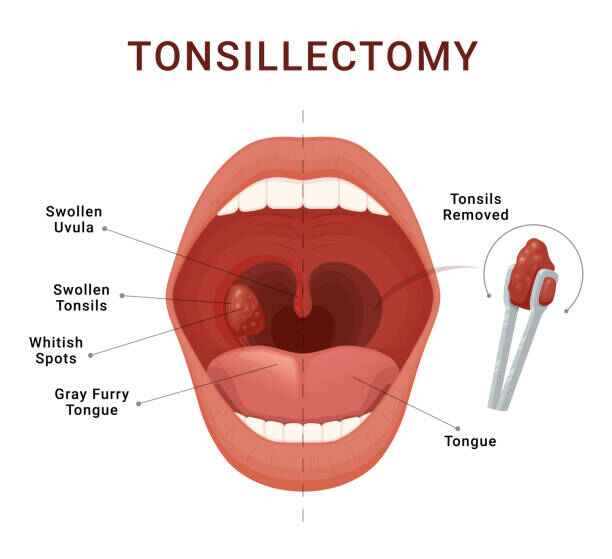
Tonsillectomy is a surgical procedure to remove the tonsils from the back of the throat.
It is commonly performed to treat recurrent tonsillitis or severe throat infections.
The surgery can also help with breathing problems caused by enlarged tonsils.
Recovery usually takes about 1–2 weeks, with proper rest and pain management.



Septoplasty

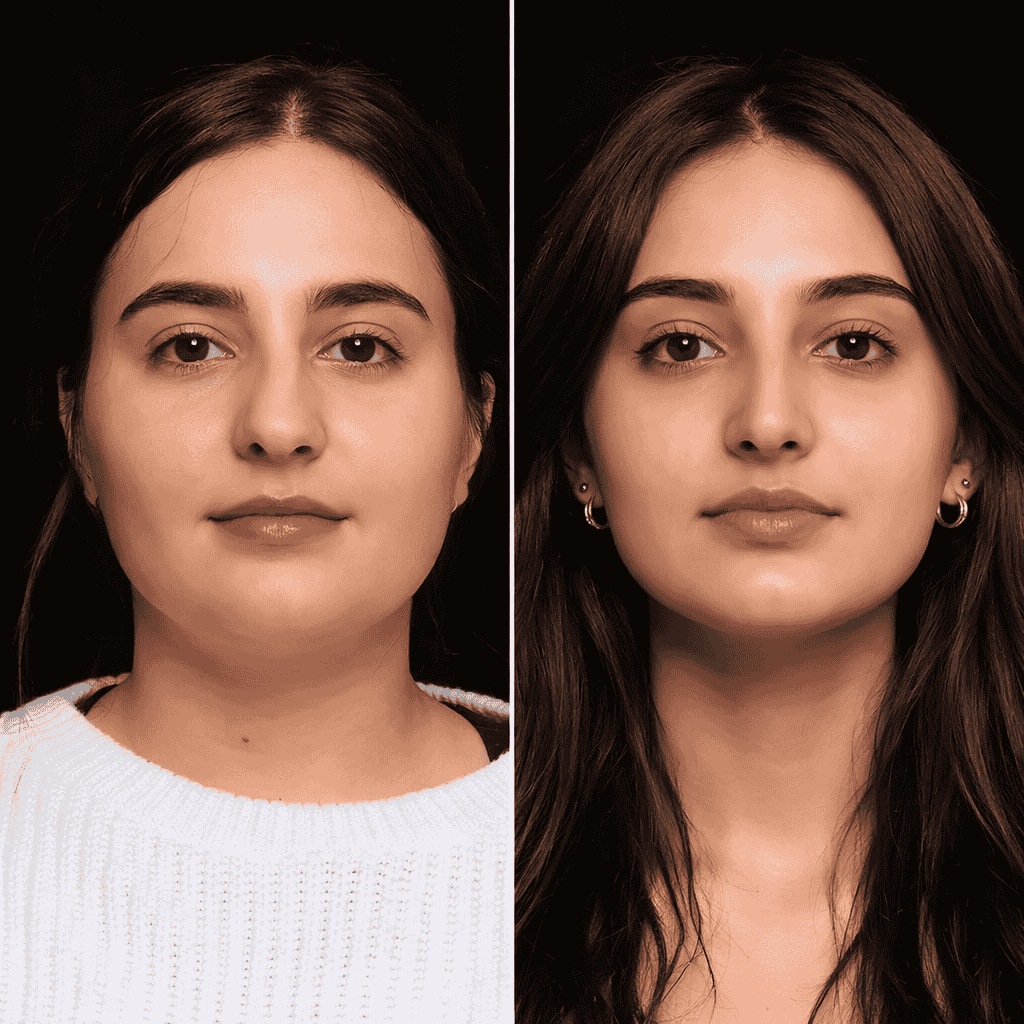
Septoplasty is a surgery done to correct a deviated nasal septum.
It helps improve breathing by straightening the partition between the nostrils.
The surgeon reshapes or removes small portions of cartilage and bone inside the nose.
Most patients recover within 1–2 weeks with better airflow and less nasal blockage.


Cochlear implants

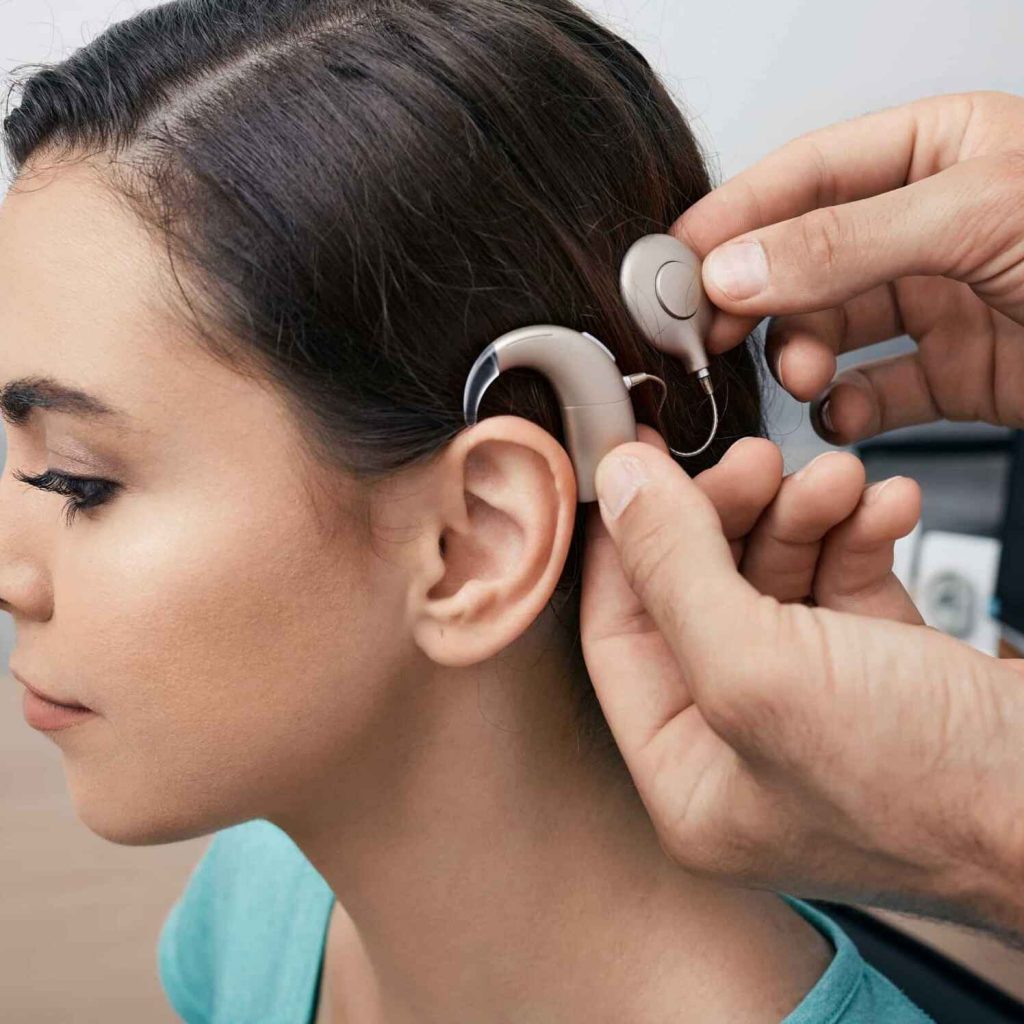
Cochlear implants are electronic medical devices that help people with severe hearing loss hear better.
They work by bypassing damaged parts of the inner ear and directly stimulating the hearing nerve.
The device has two parts: an external processor and an internal implant placed surgically.
Cochlear implants can significantly improve speech understanding and overall quality of life.


Shopping Basket