Craniotomy
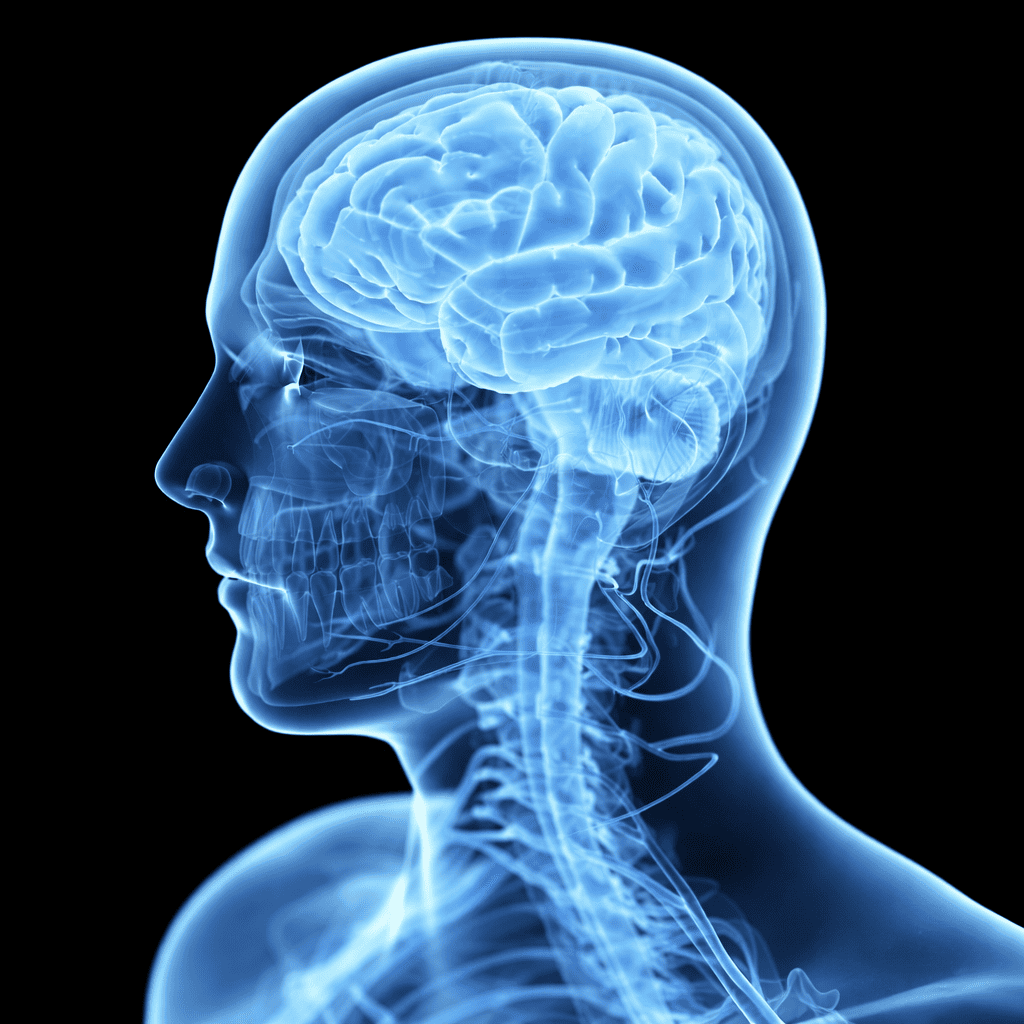
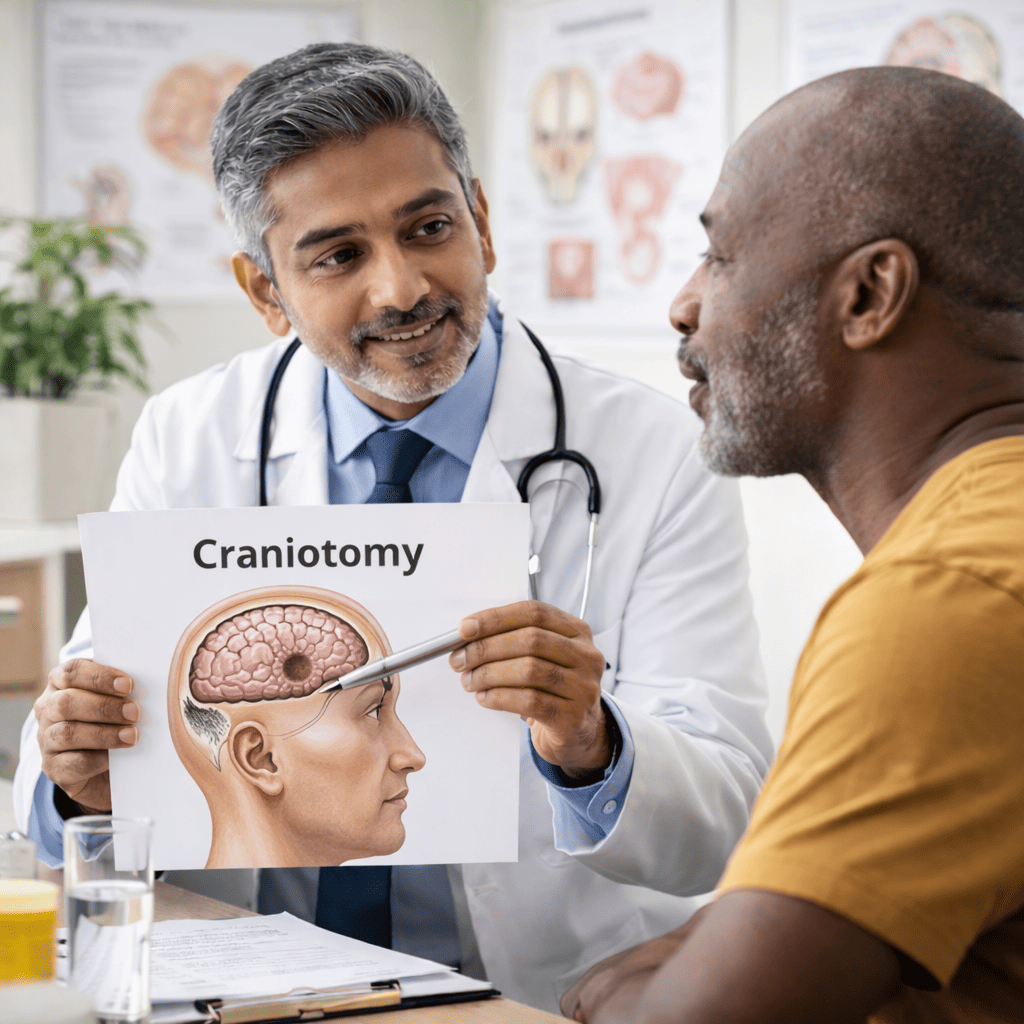
Craniotomy is a surgical procedure where a part of the skull is temporarily removed to access the brain.
It is commonly performed to treat brain tumors, bleeding, trauma, or abnormal pressure in the brain.
The surgery allows doctors to precisely diagnose and treat complex neurological conditions.
With advanced technology and expert care, craniotomy can significantly improve patient outcomes and recovery.
Cerebrovascular Surgery
Cerebrovascular surgery focuses on treating disorders of the blood vessels in the brain, such as aneurysms and strokes.
The procedure aims to restore normal blood flow and prevent life-threatening complications.
Advanced surgical techniques help protect brain function and improve long-term outcomes.
Early diagnosis and expert care are key to successful cerebrovascular treatment and recovery.
Aneurysm Clipping
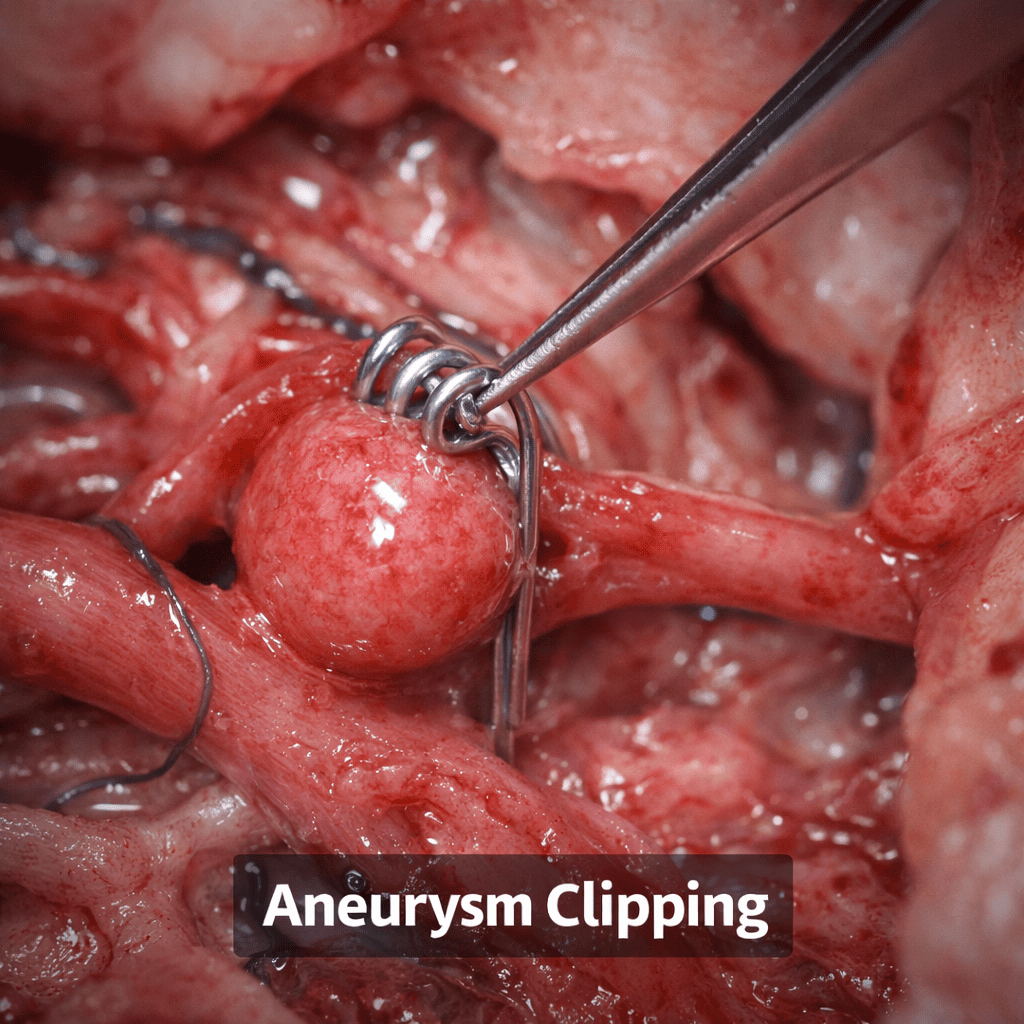
Aneurysm clipping is a surgical procedure used to treat a brain aneurysm by stopping blood flow to the weakened vessel.
A small metal clip is placed at the base of the aneurysm to prevent rupture or bleeding.
This procedure helps protect the brain from life-threatening hemorrhage.
When performed by experienced neurosurgeons, aneurysm clipping offers long-term and reliable results.
Arteriovenous Malformation surgery
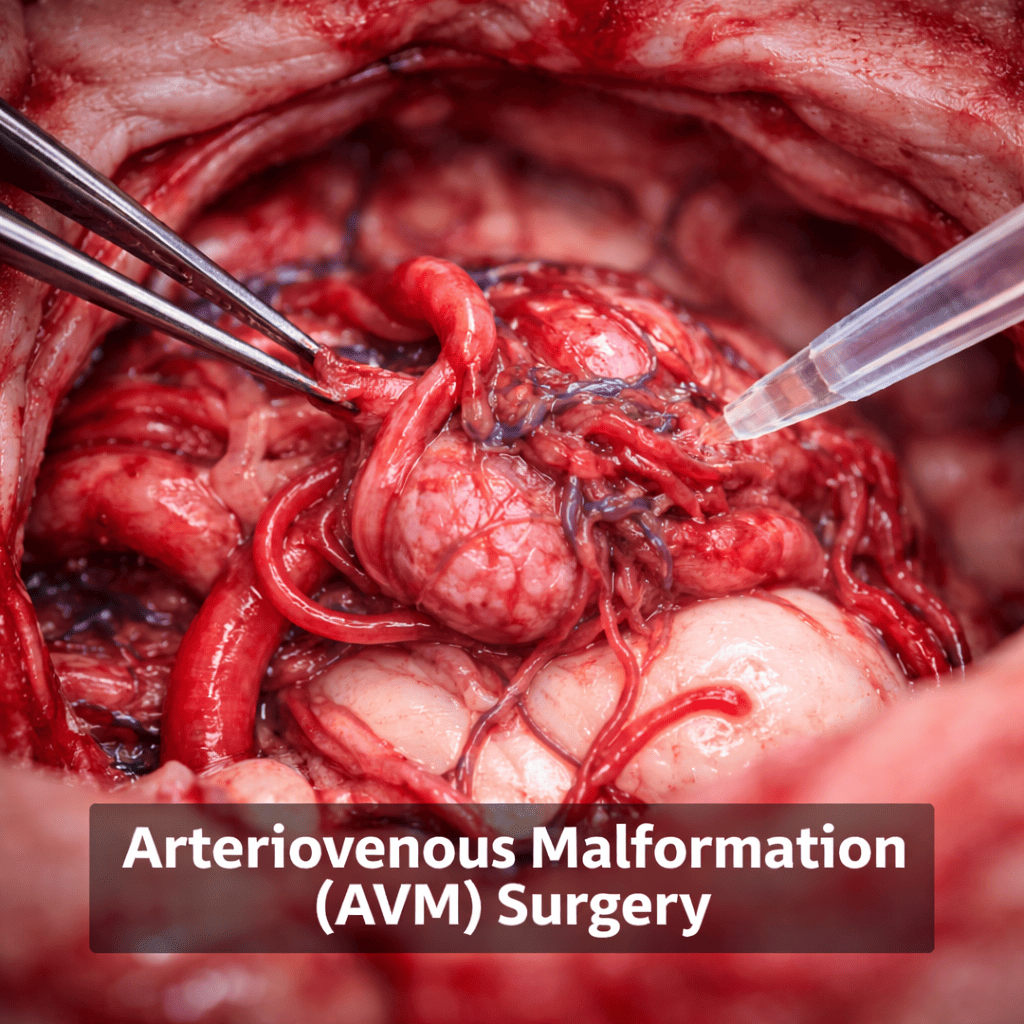
Arteriovenous malformation (AVM) surgery is performed to remove abnormal connections between arteries and veins in the brain or spine.
The goal of surgery is to prevent bleeding and restore normal blood flow.
Advanced imaging and microsurgical techniques help ensure precision and safety during the procedure.
Successful AVM surgery can significantly reduce the risk of stroke and improve long-term neurological health.
Functional Neurosurgery
Functional neurosurgery focuses on treating disorders of brain function rather than structural abnormalities.
It is commonly used for conditions like Parkinson’s disease, epilepsy, chronic pain, and movement disorders.
Advanced techniques such as deep brain stimulation help improve symptoms and quality of life.
This specialized surgery aims to restore normal brain activity while preserving healthy brain tissue.
Peripheral Nerve Surgery
Peripheral nerve surgery is performed to repair or relieve damage to nerves outside the brain and spinal cord.
It helps treat conditions such as nerve injuries, compression syndromes, and chronic pain.
Microsurgical techniques are used to restore nerve function and sensation.
Successful peripheral nerve surgery can greatly improve mobility, strength, and quality of life.