Oncology

Chemo Therapy

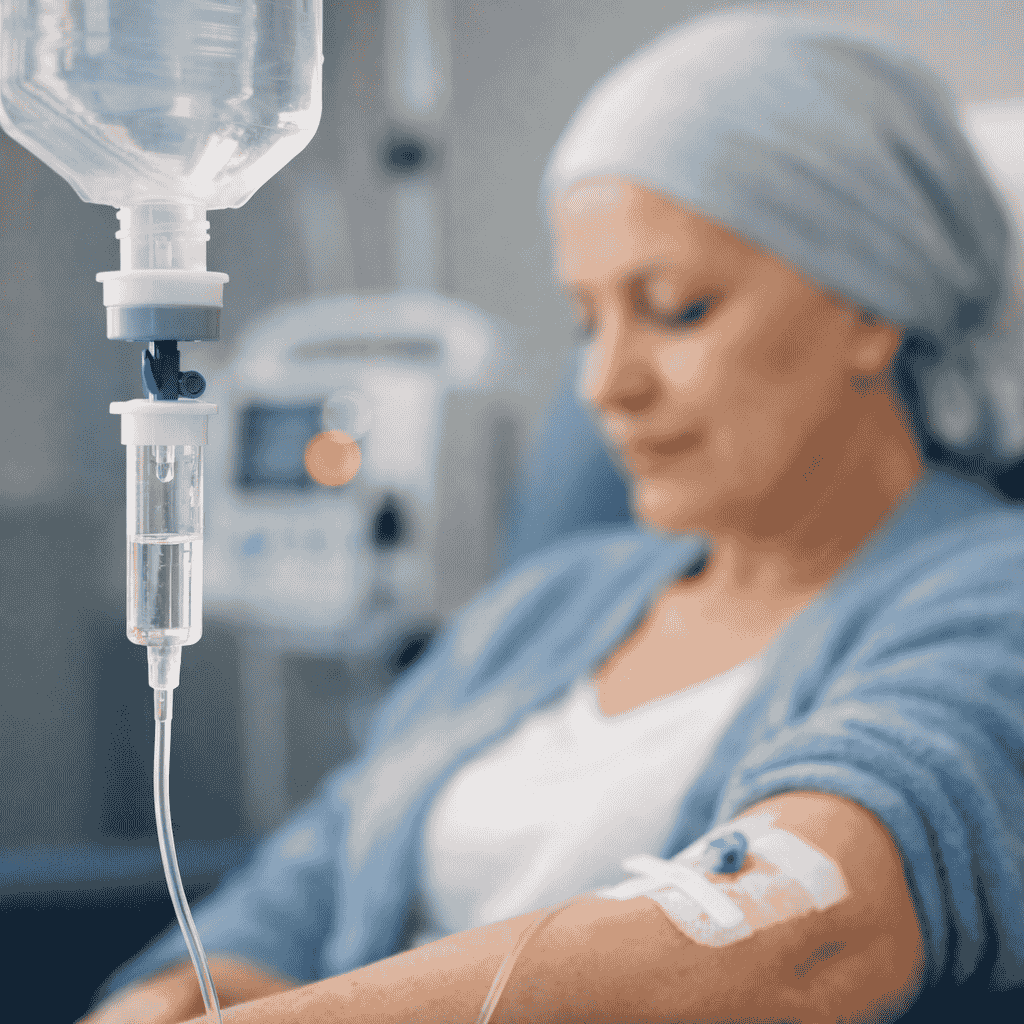
Chemotherapy is a cancer treatment that uses powerful medicines to destroy or stop the growth of cancer cells.
It may be given through injections, tablets, or intravenous (IV) drips depending on the patient’s condition.
The therapy can also affect healthy cells, which may cause side effects like hair loss, nausea, and fatigue.
Doctors carefully plan cycles of chemotherapy to maximize effectiveness while allowing the body time to recover.

Radiation Therapy

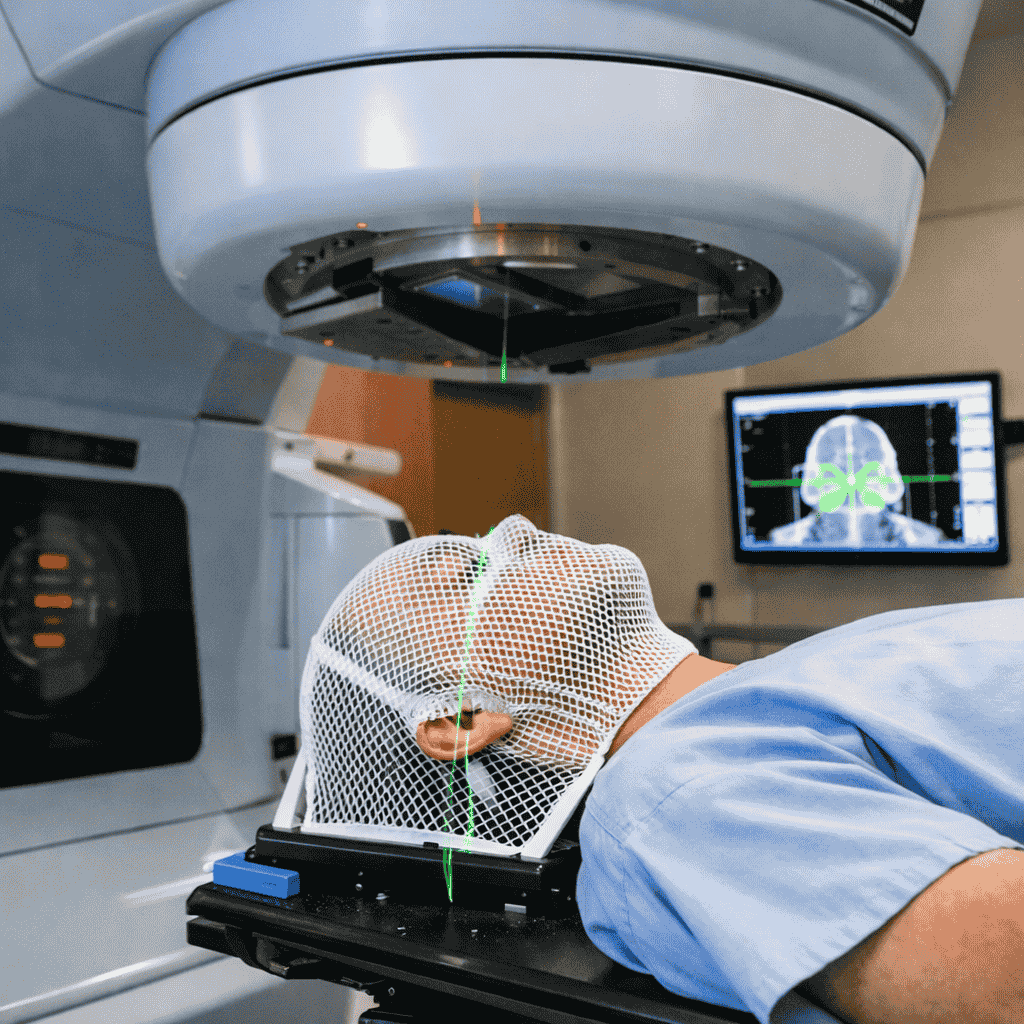
Radiation therapy is a cancer treatment that uses high-energy rays to destroy or shrink tumor cells.
It targets a specific area of the body, helping protect surrounding healthy tissues.
The treatment is painless and usually given in multiple short sessions over several weeks.
Doctors may use it alone or combined with surgery and chemotherapy for better results.

Immuno Therapy

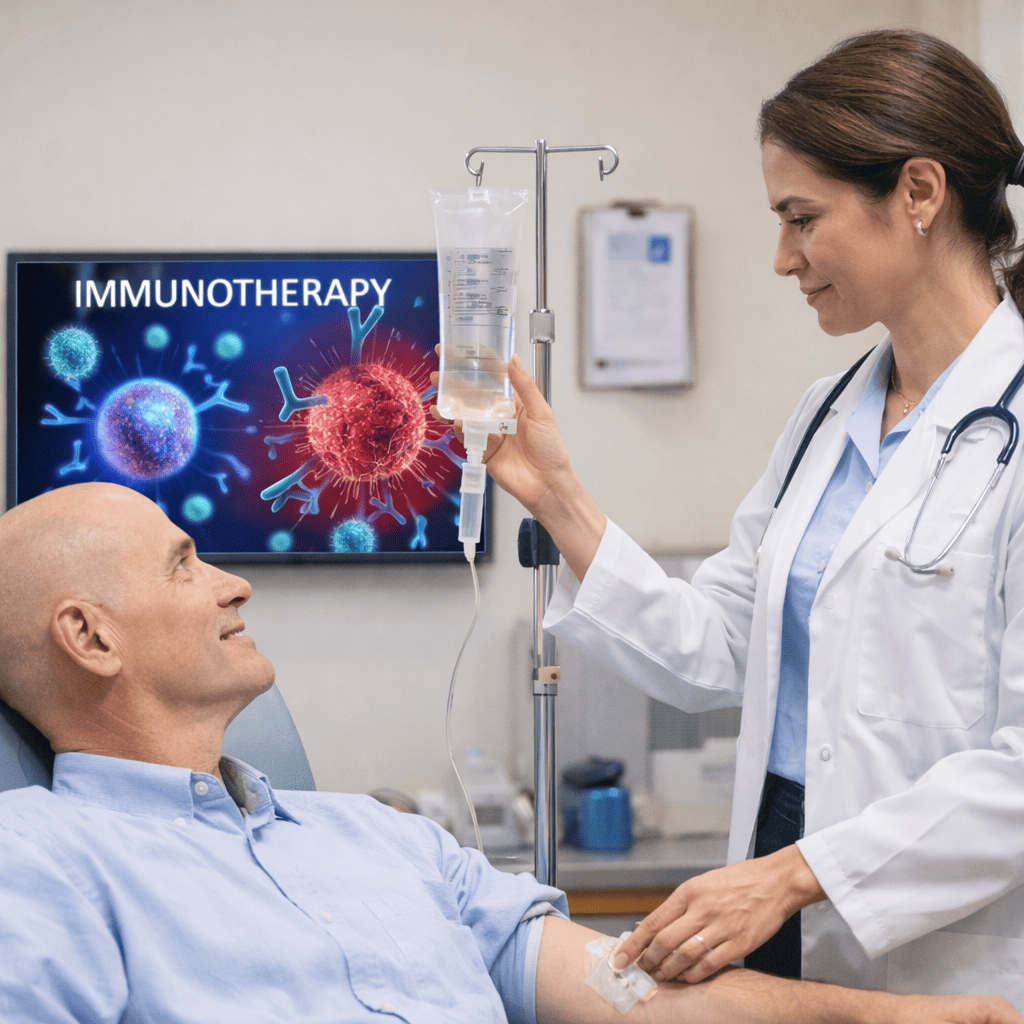
Immunotherapy is a cancer treatment that helps the body’s immune system recognize and attack cancer cells.
It uses special medicines to boost or restore natural defense mechanisms.
The therapy is often given through IV infusion in repeated sessions over weeks or months.
Compared to chemotherapy, it usually causes fewer side effects and improves long-term control in some cancers.

Breast Cancer Treatment

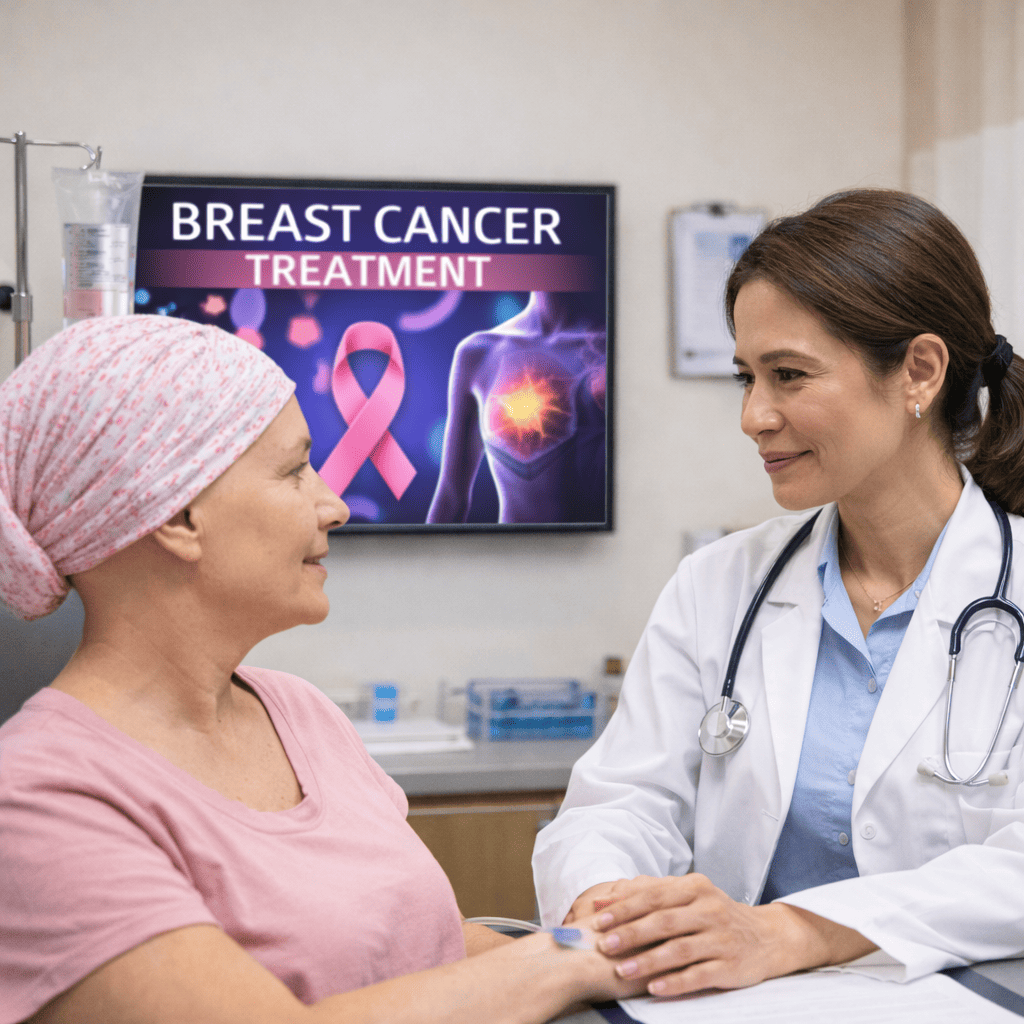
Breast cancer treatment depends on the stage and may include surgery, chemotherapy, radiation therapy, or targeted therapy.
Doctors create a personalized treatment plan to remove or destroy cancer cells effectively.
Early detection greatly improves the success rate and survival outcomes.
Regular follow-ups and lifestyle care help prevent recurrence and support recovery.

Salivary Gland Cancer Treatment

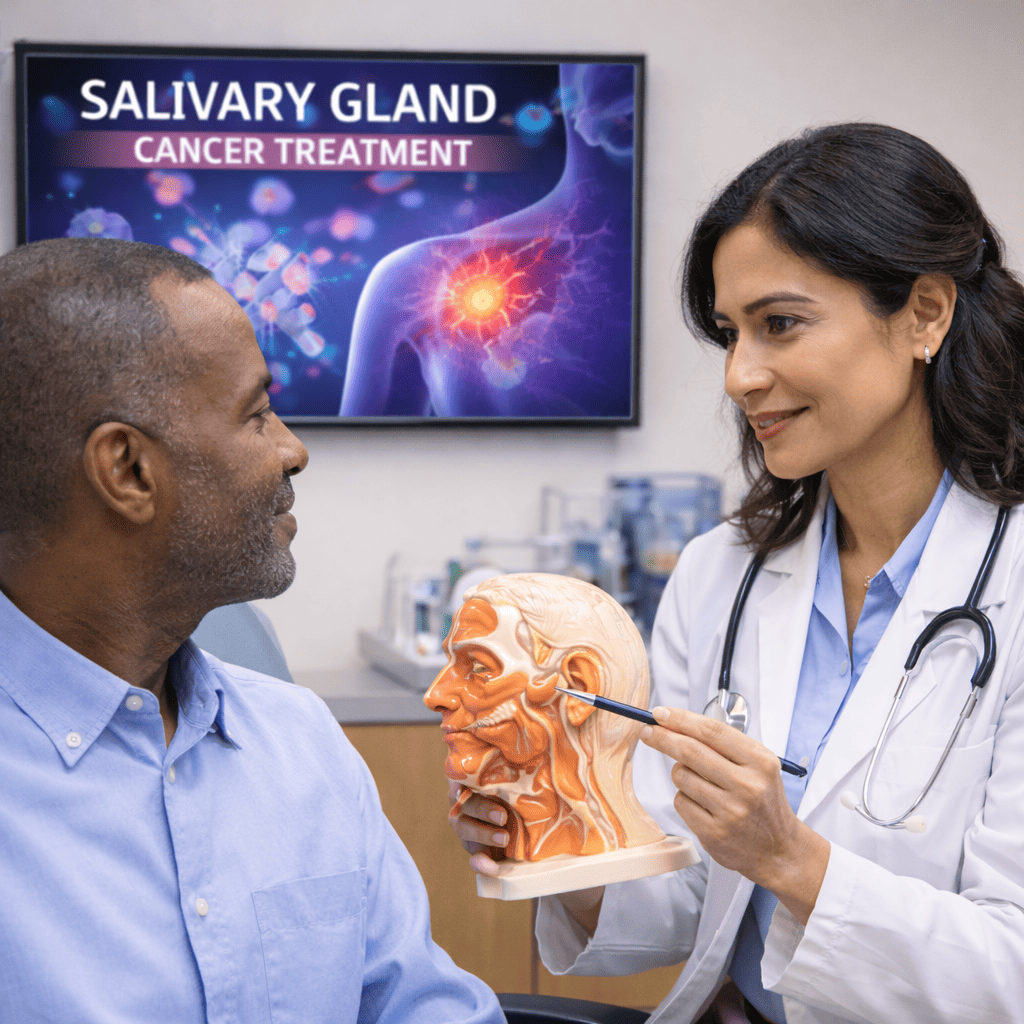
Salivary gland cancer treatment depends on the tumor type, size, and stage of the disease.
Surgery is usually the main treatment to remove the tumor and affected gland.
Radiation therapy may be given after surgery to destroy remaining cancer cells.
In advanced cases, chemotherapy or targeted therapy may also be recommended.

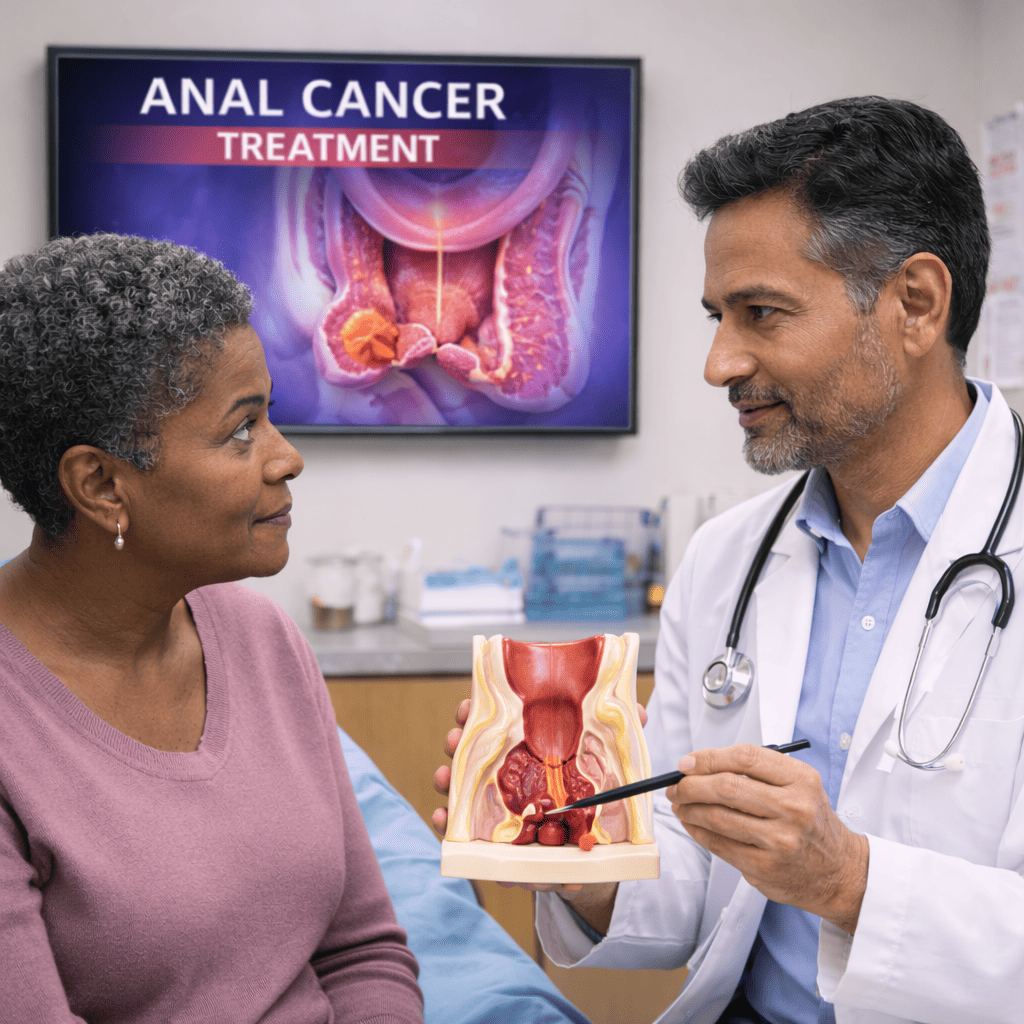
Anal Cancer Treatment

Salivary gland cancer treatment depends on the tumor type, size, and stage of the disease.
Surgery is usually the main treatment to remove the tumor and affected gland.
Radiation therapy may be given after surgery to destroy remaining cancer cells.
In advanced cases, chemotherapy or targeted therapy may also be recommended.

Oral Cancer Treatment

Oral cancer affects the mouth, tongue, lips, and throat, and early detection is crucial for successful treatment.
Common symptoms include mouth sores, difficulty chewing or swallowing, and persistent pain or swelling.
Treatment may involve surgery, radiation therapy, chemotherapy, or a combination of these approaches.
Regular dental check-ups and avoiding tobacco and excessive alcohol greatly reduce the risk of oral cancer.

Lorem ipsum dolor sit amet, consectetur adipiscing elit. Ut elit tellus, luctus nec ullamcorper mattis, pulvinar dapibus leo.

Cervical Cancer Treatment

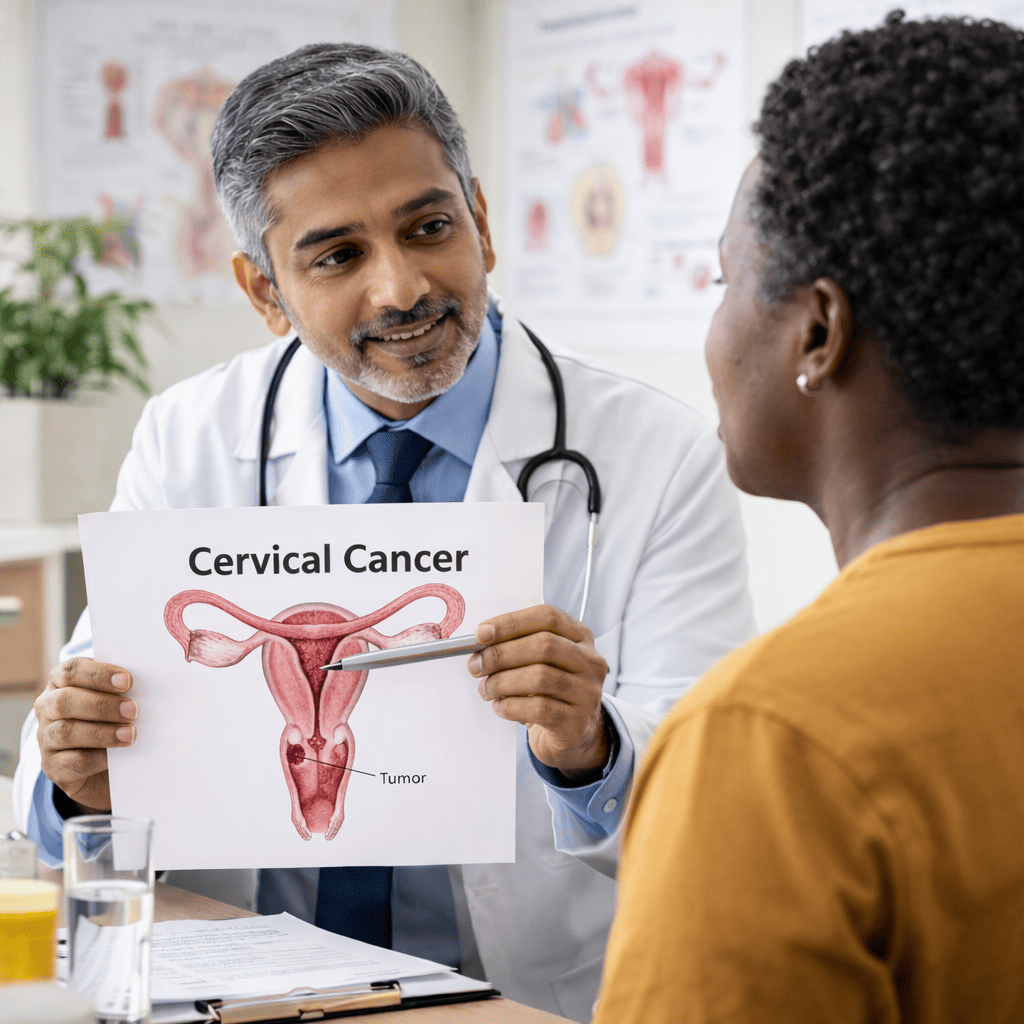
Cervical cancer treatment depends on the stage of the disease and the patient’s overall health.
Common treatment options include surgery, radiation therapy, chemotherapy, or a combination of these.
Early diagnosis allows for more effective treatment and higher recovery rates.
Regular screening and timely medical care play a vital role in successful cervical cancer management.

 
Shopping Basket